Skip to content

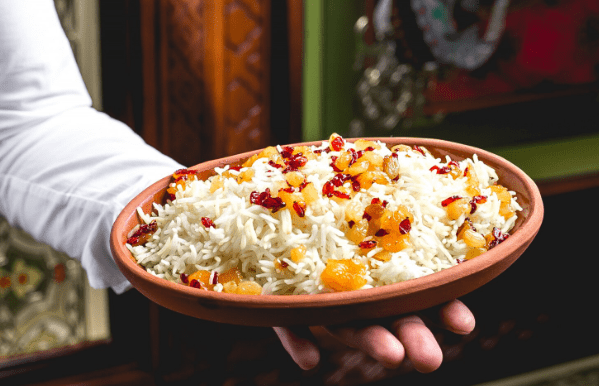
Mandi biryani is a fragrant rice and meat dish with roots in Yemen and the Arab world, made by slow-cooking meat, usually chicken or mutton, until it is tender, then serving it over lightly spiced long-grain rice. Unlike regular Indian biryani, mandi is milder, smokier, and less spicy, cooked traditionally in a pit or oven so the meat turns soft and falls off the bone. The word mandi comes from the Arabic word for dew, describing the moist, tender meat. It is often finished with a special smoky touch and served with a tangy tomato-chilli sauce on the side. Mandi has become hugely popular across India, especially in the south and in cities with a love for Arabic food, and even features on many a restaurant business menu. This guide explains what mandi biryani is, where it comes from, how it is made, how it differs from other biryani dishes, and what it costs.
Love unique flavours? Explore a Tandooriwala franchise today.
What Does Mandi Biryani Mean?
Mandi biryani means a mild, aromatic rice and meat dish of Yemeni origin, where the meat is slow-cooked until very tender and served over fragrant rice. The name itself hints at its texture.
The word mandi comes from the Arabic nada, meaning dew, which describes the moist, dewy softness of the slow-cooked meat. Traditionally, mandi is cooked in a taboon, an underground pit or clay oven, where the meat hangs above the rice and cooks slowly in its own juices and smoke. This gentle cooking gives mandi its signature tender meat and light, non-greasy rice. The dish is more about aroma and softness than heavy spice. In short, mandi biryani means tender, dewy meat served over fragrant, lightly spiced rice.
Where Did Mandi Biryani Come From?
Mandi biryani came from Yemen and spread across the Arab world before becoming popular in India. Its journey explains its unique, mild flavour.
Mandi originated in Hadhramaut, a region in Yemen, where it has been a traditional dish for centuries. From there it spread across Saudi Arabia and the Gulf, becoming a staple at feasts and gatherings. It reached India largely through trade and travel links between the Gulf and southern India, especially states like Kerala, Karnataka, and Telangana. Today, mandi is loved in Indian cities with strong Arabic food scenes. Mandi biryani is a traditional Yemeni dish that has found a loving home in India.
How Is Mandi Biryani Different From Regular Biryani?
Mandi biryani is different from regular Indian biryani in its cooking method, spice level, and texture. Though both use rice and meat, they are quite distinct dishes.
The Key Differences
Here is how mandi differs from Indian biryani:
- Spice level: mandi is mild and aromatic, while biryani is spicy and bold
- Cooking method: mandi is slow-cooked in an oven or pit, biryani is layered and dum-cooked
- Rice and meat: in mandi, meat and rice cook separately then combine; in biryani they cook together in layers
- Flavour: mandi is smoky and subtle, biryani is rich and heavily spiced
Both are delicious, but mandi suits those who prefer milder, smokier flavours, while biryani suits spice lovers. Knowing the difference helps you pick the dish you will enjoy most. Mandi and biryani share ingredients but offer very different eating experiences.
How Is Mandi Biryani Made?
Mandi biryani is made by slow-cooking marinated meat and preparing fragrant rice separately, then combining them with a smoky finish. The process is simple but takes time.
The Basic Steps
Here is how mandi is usually made:
- Marinate the meat lightly with mild spices
- Slow-cook the meat until it is very tender, traditionally in an oven or pit
- Cook long-grain basmati rice in the flavourful meat stock
- Combine the tender meat over the fragrant rice
- Add a smoky finish using hot charcoal for aroma
- Serve with a tangy tomato-chilli sauce on the side
The slow cooking is what makes the meat so soft and the rice so aromatic. This careful method gives mandi its signature taste. Mandi is made with patience, gentle spices, and a smoky finishing touch.
What Are the Different Types of Mandi?
Mandi comes in several types, mainly based on the meat used and small regional twists. Each offers a slightly different taste and price.
Chicken and Mutton Mandi
Chicken mandi is the most popular and affordable version, with tender, mild chicken over fragrant rice. Mutton mandi is richer and heavier, loved by those who prefer stronger, deeper flavours.
Other Popular Versions
Some outlets also serve fish mandi, prawn mandi, or even veg mandi for vegetarians, using the same slow, aromatic style. Related Arabic dishes like madfun and mathbi are close cousins of mandi, each with its own cooking twist. With so many versions, there is a mandi to suit almost every taste and budget.
What Does Mandi Biryani Taste Like?
Mandi biryani tastes mild, smoky, and aromatic, with tender meat and light, fluffy rice. It is very different from a spicy Indian biryani.
The meat is so soft it falls off the bone, while the rice stays light and non-greasy, carrying gentle spice and a subtle smokiness. The flavour comes more from slow cooking and aroma than from heavy chilli or masala. The tangy sauce served alongside adds a fresh, spicy contrast if you want more kick. This gentle balance of flavours makes mandi appealing to a very wide range of tastes and ages. Mandi tastes gentle, smoky, and comforting rather than fiery.
What Is the Cost of Mandi Biryani in India?
The cost of mandi biryani in India usually ranges from around 200 to 500 rupees per plate, depending on the meat, portion, and restaurant. Prices vary by city and outlet type.
A chicken mandi is usually cheaper than mutton mandi, and a full family portion costs more than a single plate. Casual outlets charge less, while premium Arabic restaurants charge more for larger, richer servings. In big cities, prices sit at the higher end, while smaller towns often cost less. Portion size matters too, as mandi is often served as a generous, shareable dish. Overall, the cost of mandi biryani stays quite affordable for such a rich, filling, and shareable meal.
Why Is Mandi Biryani So Popular in India?
Mandi biryani is popular in India because it offers a unique, mild, smoky flavour that stands out from spicy local biryanis. Its novelty and taste have won many fans.
Indian diners increasingly enjoy trying global flavours, and mandi’s tender meat and aromatic rice offer a fresh change from heavily spiced dishes. It is also a filling, shareable meal, perfect for families and groups. Its rapid spread through southern India and the growing number of Arabic restaurants has made it widely available and loved. This mix of novelty, flavour, and value drives its popularity. Mandi biryani is loved because it brings something new and delicious to Indian tables.
How Is Mandi Traditionally Served and Eaten?
Mandi is traditionally served on a large shared platter and eaten in a warm, communal style. This is part of what makes it special.
Served on a Shared Platter
Mandi is usually placed on one big plate, with the rice spread out and the tender meat resting on top. A tangy tomato-chilli sauce and sometimes a fresh salad are served on the side.
Eaten Together, Often by Hand
In its home region, mandi is eaten with the hands from the shared plate, bringing family and friends together around one dish. This communal style makes it perfect for gatherings and celebrations. Sharing mandi from one platter is part of what makes the dish so enjoyable.
How Can You Enjoy Mandi and Other Great Dishes?
You can enjoy mandi and other great dishes at restaurants that offer rich, varied menus spanning many cuisines and flavours. A wide menu means more choices for every taste.
Multi-cuisine restaurants bring together favourites from many regions, so diners can enjoy biryani, barbecue, and global dishes in one place. Tandooriwala, founded in 2013 by Michelin-star Master Chef Shajahan M Abdul, has grown to more than 86 outlets serving Mughlai, North Indian, barbecue, biryani, and more. Its wide, flavour-rich menu draws food lovers of every kind, making it one of the best franchise opportunities in food. For diners and future franchise owners alike, a varied menu is a real strength. A rich, varied menu offering dishes like mandi, biryani, and barbecue is what turns a simple meal into a truly memorable dining experience.
Great food brings people back, and a great brand turns that into a business. Tandooriwala serves crowd-favourite dishes and offers a proven franchise to build on them. Call +91 74112 04455 or apply online to start your food franchise journey today.
Mandi biryani is a mild, aromatic Yemeni-origin dish of slow-cooked tender meat served over fragrant, lightly spiced rice, finished with a smoky touch and a tangy side sauce.
The word mandi comes from the Arabic for dew, describing the moist, tender, slow-cooked meat that sits over fragrant rice. It reflects the dish's soft, dewy texture.
Mandi is mild, smoky, and slow-cooked in an oven or pit, while Indian biryani is spicy and layered. Mandi cooks meat and rice separately, then combines them.
The cost of mandi biryani usually ranges from about 200 to 500 rupees per plate, depending on the meat, portion size, city, and type of restaurant.
No. Mandi is mild and aromatic rather than spicy, though it comes with a tangy tomato-chilli sauce on the side for those who want extra heat. It suits many a restaurant franchise menu.