Skip to content


The difference between a QSR and a full service restaurant comes down to how food is ordered, served, and priced. A QSR, or Quick Service Restaurant, allows customers to order at a counter or kiosk, pay upfront, and receive their food within minutes. A full service restaurant offers table service, where customers are seated, a waiter takes their order, and the bill is usually paid after the meal.
QSRs focus on speed, convenience, a limited menu, and affordable prices. Full service restaurants prioritise the dining experience, a wider menu, and personalised table service. The two models also differ in staffing requirements, setup costs, operating expenses, and the customers they serve.
This guide compares QSRs and full service restaurants, explains their operating costs and profitability, and helps you decide which format suits your budget and business goals. You can also explore a multi-cuisine restaurant menu, learn about the types of service in a restaurant, and understand the difference between a restaurant and a café.
QSR vs Full Service Restaurant at a Glance
The easiest way to understand the difference between quick service and table service restaurants is to compare their core features.
| Feature | QSR (Quick Service Restaurant) | Full Service Restaurant |
|---|---|---|
| Ordering | At a counter or kiosk | At the table through a waiter |
| Payment | Usually before receiving food | Usually after the meal |
| Menu size | Small and focused | Larger and more varied |
| Service staff | Fewer staff, with no traditional table service | Trained waitstaff required |
| Typical meal time | Around 10 to 20 minutes | Around 45 to 90 minutes |
| Space required | Generally smaller | Generally larger, with a dedicated dining area |
| Average spend per customer | Usually lower | Usually higher |
| Primary focus | Speed and convenience | Dining experience and service |
Both formats serve different customer needs and offer distinct business opportunities. A QSR prioritises quick transactions and efficient order turnover, while a full service restaurant focuses on providing a comfortable dining experience.
The right model depends on your investment capacity, target audience, location, menu, and operational priorities.
What Counts as a Quick Service Restaurant?
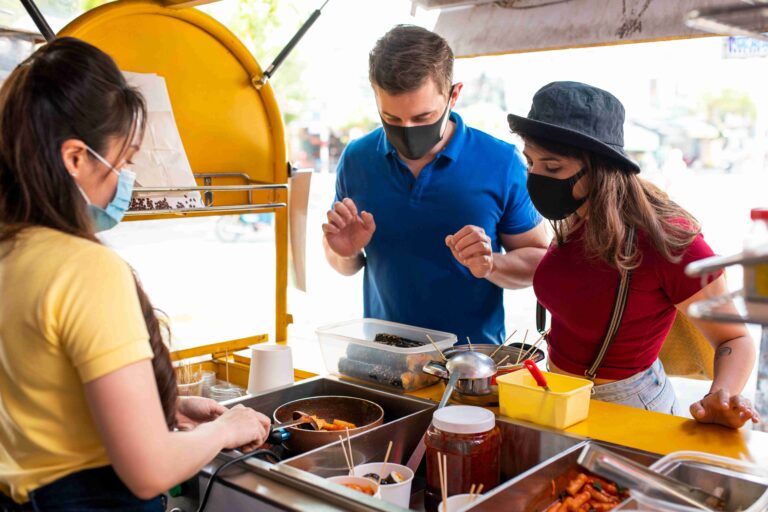
A Quick Service Restaurant is designed to serve food quickly through streamlined ordering and kitchen processes. Customers typically order at a counter or kiosk, pay upfront, and collect their food within minutes. Many QSRs also accept takeaway and delivery orders.
The main characteristics of a QSR include:
-
Counter or kiosk ordering: Customers place and pay for orders before receiving their food.
-
A focused menu: A smaller selection of dishes allows the kitchen to prepare orders efficiently.
-
Quick turnaround: Standardised preparation processes help reduce waiting times.
-
Affordable pricing: Compact spaces and streamlined operations can help control costs.
-
Takeaway and delivery options: Many QSRs serve customers through collection and online ordering in addition to dine-in service.
For example, a tandoori roll counter serving office workers during lunch hours is a typical QSR format. Its operations are built around preparing popular items quickly and serving a high volume of orders.
This speed-focused approach is the central distinction in the comparison between a fast food restaurant and a full service restaurant.
How a Full Service Restaurant Works
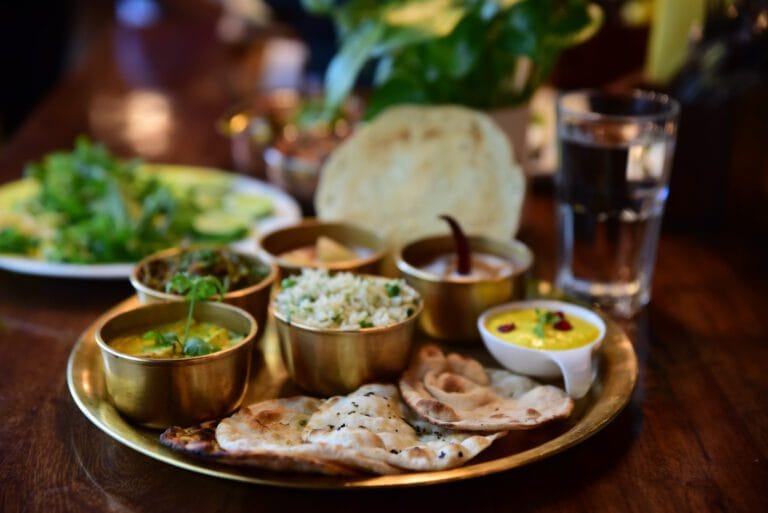
A full service restaurant is built around the dine-in experience. Customers are seated at a table, receive a menu, place their orders with a waiter, and are served by the restaurant’s staff. Payment typically takes place after the meal.
The menu is generally broader than that of a QSR and may include starters, main courses, breads, rice dishes, desserts, and beverages across one or more cuisines.
Because customers spend more time dining, a full service restaurant usually requires trained waitstaff, a suitable dining area, and a kitchen capable of handling a wider selection of dishes.
The main trade-off is the higher investment and operating cost. A full service restaurant generally needs more space, furniture, staff, and equipment than a compact QSR. In return, it can offer greater menu variety, personalised service, and a more complete dining experience.
For example, a multi-cuisine restaurant serving Indian and Continental dishes with table service is a typical full service model.
Is Casual Dining the Same as a QSR?
QSR and casual dining are different restaurant formats, even though both may offer affordable meals and informal dining experiences.
Casual dining generally combines table service with a relaxed atmosphere. Customers can sit comfortably, explore a broader menu, and spend more time enjoying their meals. Prices are typically more accessible than those at formal fine dining establishments, although costs vary by restaurant.
A QSR, in comparison, focuses on counter-based ordering, quick preparation, and convenience. Seating may be limited, and the menu is often designed around popular items that can be prepared efficiently.
The main difference is the purpose of the dining experience. A QSR caters to customers who want a quick and convenient meal, while casual dining appeals to those who prefer a comfortable sit-down experience without the formality of fine dining.
For entrepreneurs, casual dining can be a useful middle ground between a compact QSR and a more elaborate full service restaurant. Explore the broader restaurant business in India to understand the opportunities across different formats.
The Difference Between QSR and Full Service Restaurant in Profitability
The service model influences how a restaurant generates revenue, manages expenses, and earns profit. However, neither a QSR nor a full service restaurant is automatically more profitable.
A QSR typically relies on high order volumes and quick customer turnover. It can operate from a smaller space with fewer service staff, but it may need to sell more orders to generate sufficient revenue when average spending per customer is low.
A full service restaurant generally aims for higher spending per table. Customers may order multiple courses, beverages, and desserts, but the business must also cover higher staffing, rent, furniture, and kitchen expenses.
Delivery introduces another factor. Food delivery platforms may charge commissions that reduce the amount a restaurant retains from each order. This can have a significant effect on the margins of lower-priced meals, particularly when packaging and promotional expenses are added.
Tandooriwala, a chef-led Indian barbecue brand founded in Mysore in 2013 and operated by Restro Consultants Private Limited, has developed restaurant formats that cater to both quick-service and full dine-in operations.
According to its founder, restaurant consultant and franchise development specialist Dr. Chef Shajahan M Abdul, a busy QSR can operate efficiently from a smaller space, while a full service restaurant needs steady customer traffic and sufficient average spending per bill to support its larger cost structure.
Ultimately, profitability depends on location, menu pricing, food costs, staff productivity, customer demand, and day-to-day management. Comparing projected revenue with realistic operating expenses is essential before choosing either model.
What Does Each Model Cost to Open and Run?
The cost difference between a QSR and a full service restaurant becomes clearer when you compare initial setup investment with monthly operating expenses.
Setup Investment
A QSR is generally less expensive to establish because it can operate from a compact space with simpler interiors, a focused menu, and a smaller kitchen.
A full service restaurant usually requires a larger premises, dining furniture, customer facilities, and more extensive kitchen equipment. Interior design and ambience can also increase the initial investment.
The actual cost depends on the location, outlet size, menu, equipment, and level of customisation. Read our guide on the cost to open a restaurant in India and explore the requirements for a restaurant kitchen setup.
Monthly Overheads
QSRs can have lower operating expenses because of their compact layout and streamlined staffing requirements. Rent, employee salaries, ingredients, utilities, packaging, and delivery commissions still need to be accounted for.
Full service restaurants generally have higher payroll costs because they require kitchen staff, waiters, cleaning staff, and other employees to maintain the dining experience. They may also incur greater rental and maintenance expenses due to their larger premises.
Restaurant GST treatment and eligibility for input tax credit can also affect financial planning. The linked guide explains the applicable GST on restaurant food.
In general, a QSR may need less capital to establish and operate, while a full service restaurant requires a larger investment and may generate higher revenue per customer. A proper cost and revenue forecast is essential for both.
How to Choose the Model That Fits You
Choosing between a QSR and a full service restaurant is less about deciding which model is universally better and more about identifying which one matches your business goals.
Consider these factors before making a decision:
-
Your budget: A QSR generally requires less initial investment, while a full service restaurant usually needs more capital for space, interiors, equipment, and staff.
-
Your location: High-footfall commercial areas may suit quick-service formats, while suitable destination locations and residential catchments may support dine-in restaurants.
-
Your target customers: Decide whether your audience prioritises speed and affordability or prefers a longer dining experience with broader menu choices.
-
Your staffing capacity: Consider whether you can recruit and manage a team for kitchen operations alone or need additional service staff.
-
Your daily involvement: Both formats require active management, but their operational processes and staffing structures differ.
-
Your growth plans: A standardised QSR model may suit entrepreneurs planning to expand through multiple compact outlets. A full service restaurant may be more appropriate when the goal is to build a destination dining experience.
A franchise can also provide a structured way to enter the food business. Comparing the FOCO vs FOFO franchise model can help you understand the differences in ownership, operational responsibilities, and support.
You should also review the expected restaurant franchise cost and explore the most profitable food franchise options in India before committing to an investment.
Where Tandooriwala Fits Both Models
Understanding the difference between QSRs and full service restaurants is the first step. Choosing a suitable format and operating it effectively is equally important.
Tandooriwala offers franchise opportunities for entrepreneurs exploring food service formats suited to different locations and customer needs. The brand has received the Certificate of Excellence and Food and Hospitality Awards in 2018 and 2022.
Its franchise support can include a standardised menu, spice supply, kitchen planning, and staff training, helping partners establish consistent operations across outlets.
If you are considering opening a food business, explore the Tandooriwala franchise opportunity, learn about the benefits of buying a restaurant franchise, understand how a franchise food business operates, or learn more about the brand.
The right restaurant format, supported by a suitable location, realistic budgeting, and effective operating processes, can help turn a business idea into a sustainable outlet.
Frequently Asked Questions
A QSR focuses on counter-based ordering, quick preparation, and convenience. Customers usually pay before receiving their food. A full service restaurant offers table service, a broader menu, and a more relaxed dining experience, with payment typically made after the meal.
QSR and fast food are closely related terms. QSR stands for Quick Service Restaurant and describes a format built around fast preparation, efficient service, and a focused menu. Many fast-food outlets operate as QSRs, although the exact menu and service model vary by business.
A QSR is generally less expensive to open because it can operate from a smaller space with simpler interiors, a compact kitchen, and fewer service staff. A full service restaurant usually requires a larger dining area, more equipment, and additional employees, increasing setup and operating costs.
A QSR prioritises speed, counter-based ordering, and convenience, often with limited seating. Casual dining generally offers table service, a relaxed atmosphere, and a broader menu. It sits between quick-service outlets and formal fine dining in terms of service and dining experience.
Neither model is automatically more profitable. QSRs typically rely on high order volumes and quick turnover, while full service restaurants may generate higher spending per customer but also face greater operating expenses. Actual profitability depends on location, pricing, food costs, rent, customer demand, and management.