Skip to content


The food industry in India is booming, and many aspiring entrepreneurs are looking to enter this growing space. But one question arises early in the journey: What is the difference between restaurant and cafe, and which is the right model for you?
Understanding this fundamental distinction is critical. Your choice between a restaurant and a café will influence everything — from your startup costs and operations to customer expectations and branding. In this comprehensive guide, we will explore the difference between restaurant and cafe, and how selecting the right business type can shape your long-term success.
Whether you’re drawn to a relaxed coffee shop or envision a full-service dining experience, this blog will help you evaluate the dine-in vs casual model and select the best path forward.
What is a Café?
A café is a casual food establishment that emphasizes quick service, beverages, and light snacks. It is designed for comfort, convenience, and affordability. When exploring the difference between restaurant and cafe, one of the first things to note is the casual and often self-service nature of cafés.
Cafés generally cater to people looking for a place to socialize, work, or unwind. These establishments are not designed for elaborate meals but are perfect for quick bites and beverages.
Key characteristics of a café include:
- Service is mostly self-serve or counter-based
- Menus are limited to snacks, desserts, hot and cold drinks
- Ambiance is relaxed and informal, often appealing to students, freelancers, and young professionals
- Hours of operation typically start early in the day, serving breakfast and mid-day snacks
- Investment requirements are lower compared to full-service restaurants
Understanding the difference between restaurant and cafe also means recognizing how cafés fit into a casual, fast-paced lifestyle. In the modern restaurant vs café model, cafés fill the niche for social spaces with fast service and low overheads.
What is a Restaurant?
A restaurant is a formal food establishment where customers are served complete meals. It typically features a wide menu, table service, and a structured ambiance that supports longer, more immersive dining experiences.
When assessing the difference between restaurant and cafe, restaurants stand out due to their full-course offerings, professional staff, and broader customer expectations.
Key characteristics of a restaurant include:
- Full table service with dedicated waitstaff and kitchen staff
- Diverse menu options that include appetizers, main courses, desserts, and beverages (often including alcohol)
- Ambiance may range from casual to fine dining, depending on the restaurant type
- Operating hours focus on lunch and dinner service
- Higher investment in space, décor, staff, equipment, and licensing
Restaurants also demand a more involved management structure and longer operating hours. For those planning premium restaurant models in cities like Opportunities in Chennai, franchise opportunities in Mumbai, or franchise opportunities in Pune, full-service dining provides long-term customer value and branding opportunities.
Brands like Tandooriwala showcase how to run a high-end dine-in restaurant while offering franchise options that lower entry barriers. This model is ideal for those serious about building a scalable and refined culinary brand.
Café vs Restaurant: Core Differences
Let’s delve deeper into the difference between restaurant and cafe across several aspects.
Service Style:
- Cafés typically rely on counter-service or self-service models.
- Restaurants provide full table service with waiters and hosts.
Menu Range:
- Cafés offer a limited selection: coffee, tea, light snacks, pastries, and sandwiches.
- Restaurants offer full meals: appetizers, main dishes, desserts, and drinks.
Ambiance:
- Cafés are designed for casual, cozy, and often social or work-friendly environments.
- Restaurants can be casual or formal, but they typically offer more structured and immersive settings.
Operating Hours:
- Cafés generally open early for breakfast and cater to mid-day crowds.
- Restaurants primarily focus on lunch and dinner hours.
Investment & Setup:
- Cafés require lower capital investment, fewer staff, and smaller spaces.
- Restaurants involve higher setup costs, larger staff teams, and more equipment.
The difference between restaurant and cafe lies in more than just menu or seating — it shapes the core of your business type. Whether you lean toward a dine-in vs casual model depends on your vision, target audience, and financial readiness.
Ambiance and Design: How Environment Shapes Experience
Ambiance and design are essential elements that influence how customers perceive your brand. They also underscore the difference between restaurant and cafe.
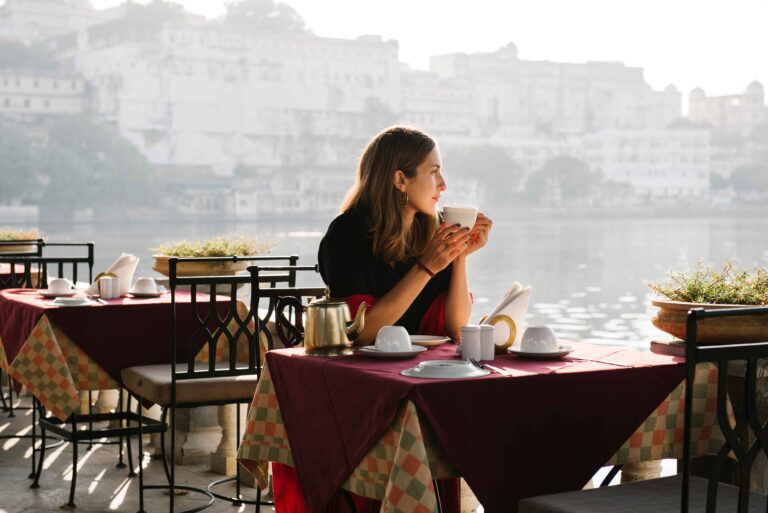
In a café, the goal is comfort and relaxation. Think of warm lighting, casual seating, music, and inviting aesthetics. Many cafés now double as co-working spaces or Instagram-friendly hangouts. They’re built for flexibility — people may come for a quick coffee or stay for hours.
In contrast, a restaurant focuses on intentional design that matches the food and service style. Whether it’s fine dining with mood lighting and elegant furnishings or a family restaurant with traditional decor, restaurants are about delivering an experience — not just a meal.
Brands like Tandooriwala demonstrate how ambiance can elevate the dine-in model, making customers feel part of something premium yet approachable.
Service Style and Menu Depth
Another major difference between restaurant and cafe lies in how food is served and how deep the menu goes.
In cafés:
- The ordering process is quick
- Staff interaction is minimal
- Menus are fixed with limited seasonal variations
- The focus is on speed and convenience
In restaurants:
- Staff take orders at the table, offer recommendations, and customize dishes
- The menu is broad, often featuring multiple cuisines or specialized regional food
- Presentation and plating are emphasized
- Meals are designed to be enjoyed slowly and socially
This restaurant vs café model distinction is essential when choosing your business type. Restaurants require more training, skilled chefs, and management, while cafés prioritize speed, simplicity, and turnover.
Cost and Operational Considerations
Your budget and business goals play a significant role in choosing between a restaurant vs café model.
Cafés typically have:
- Lower startup costs
- Minimal kitchen and dining space needs
- Less staff and simplified operations
- Faster breakeven timelines
Restaurants typically involve:
- Higher upfront investments
- Licensing for liquor (if applicable), seating capacity, and extended kitchen requirements
- Larger staff teams, including chefs, waitstaff, and cleaners
- Greater long-term revenue potential but also higher risk
If you are looking for a scalable, high-potential model that still offers support and lower risk, partnering with a trusted dine-in brand like Tandooriwala could be a strategic move.
Choosing the Right Model: Dine-In vs Casual
So how do you decide between a dine-in vs casual business model? Here are a few guiding questions to help you choose:
- Do you have a passion for culinary depth or coffee culture?
- What is your investment capacity and expected ROI timeline?
- Who is your target market — professionals, students, families, or foodies?
- How involved do you want to be in daily operations?
- Do you want to offer quick service or a complete dining experience?
Understanding the difference between restaurant and cafe will help you make this decision with confidence. Both models offer unique opportunities, and the right choice depends on aligning with your personal goals, brand vision, and market demand.
Consider exploring franchise business ideas aligned with your culinary passion.
Tandooriwala: Premium Dine-In Dining with Scalable Opportunities
Tandooriwala is India’s leading high-class dine-in restaurant brand that embodies excellence in service, flavor, and scalability. It’s a proven restaurant vs café model for entrepreneurs seeking a strong support system while entering the competitive food business.
Why Tandooriwala Stands Out:
- Authentic Indian cuisine with modern presentation
- A well-structured franchise program that includes setup, training, and marketing
- Brand trust built across multiple cities in India
- Complete support from site selection to operations
If you want to own a business type that is premium yet accessible, joining the Tandooriwala network could be your gateway to long-term success.
Conclusion
The difference between restaurant and cafe is more than just how food is served — it’s a complete business decision. From investment levels and menu depth to customer service and ambiance, your choice of business type will shape your journey in the food industry.
Whether you opt for a quick-service café or a sophisticated dine-in restaurant, align your decision with your goals, resources, and market potential.
Ready to build your dream restaurant with a trusted partner?
Apply for the Tandooriwala Franchise and launch your own successful food venture with full support and guidance.
Frequently Asked Questions
The main difference lies in service and offerings. Restaurants provide full-course meals and table service, while cafés offer self-service and light snacks or beverages.
Cafés are typically easier and less costly to start, making them ideal for beginners. Restaurants, while costlier, offer higher long-term potential.
Cafés can start from ₹5–10 lakhs, while restaurants often require ₹15–25 lakhs or more, depending on scale and location.
Yes, especially with the right location, brand, and customer base. Dine-in restaurants offer higher ticket values and brand loyalty.
It’s possible but involves significant changes in licensing, kitchen size, staff, and menu offerings.
You’ll need FSSAI registration, fire safety, GST, and local municipal permits for both models. Restaurants may also require a liquor license.
Ambiance sets the tone for customer experience. A good atmosphere can enhance satisfaction and increase repeat visits.
Restaurants face higher costs, staff management, and quality control challenges. Cafés struggle more with competition, customer turnover, and pricing.