Skip to content


The main types of restaurant business models in India are the Quick Service Restaurant (QSR), the full-service or fine-dining restaurant, the casual dining restaurant, the cloud kitchen, the café or QSR-café, and the food truck or kiosk. Each model differs in how food is served, how much it costs to open, and the kind of customer it targets. A QSR runs on fast counter service and low prices, a full-service restaurant on table service and experience, and a cloud kitchen on delivery alone. Choosing the right one depends on your budget, location, and goals. India’s food services market, worth around $80 billion in 2024 and growing 10–11% a year, has room for all of them. This guide explains each of the different types of restaurants in India, what each costs and suits, and how to pick the model that fits you, starting with how a restaurant business in India works.
Restaurant Business Models in India at a Glance
Before going model by model, it helps to see them side by side. Each restaurant business model in India sits at a different point on the scale of cost, service, and customer type.
| Model | Service Style | Setup Cost | Best For |
|---|---|---|---|
| QSR | Counter, fast | Low–medium | High-footfall, quick meals |
| Full-service / fine dining | Table service | High | Experience, higher spend |
| Casual dining | Relaxed table service | Medium | Families, mid-budget diners |
| Cloud kitchen | Delivery only | Low | Delivery-first markets |
| Cafe / QSR-café | Counter + light seating | Low–medium | Coffee, snacks, hangouts |
| Food truck / kiosk | Mobile / small stall | Very low | Testing an idea cheaply |
Most successful brands pick one model and do it well rather than trying to be everything. Knowing where each sits on cost and service is the first step to choosing yours.
The Quick Service Restaurant (QSR) Model
A QSR is built for speed: customers order at a counter, pay first, and get their food in minutes. The menu is small and standardised, prices are low, and a large share of orders are takeaway or delivery. It needs less space and fewer staff than a sit-down restaurant, which keeps the setup cost down.
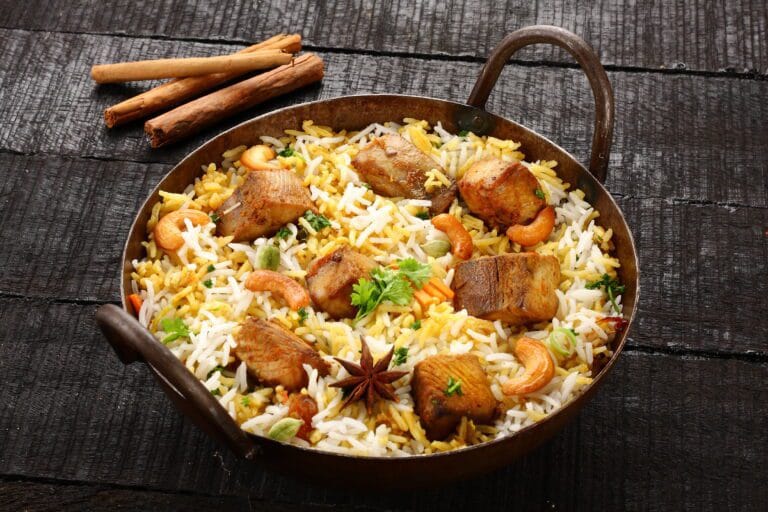
This model suits high-footfall spots like malls, offices, and stations. A tandoori roll or biryani counter is a classic QSR, and the full QSR vs full-service comparison shows exactly how it differs from table service. A QSR is the go-to model when speed and volume matter more than ambience.
The Full-Service and Fine-Dining Model
A full-service restaurant seats guests at a table, where a waiter takes the order and serves the meal, which is paid for at the end. The menu is large, the experience matters, and the average bill is higher. Fine dining is the premium end of this model, with a formal setting and higher prices still.
Full-service restaurants are the largest segment of India’s food services market, because diners value the sit-down occasion. The trade-off is cost: this model needs a bigger space, trained service staff, and a larger kitchen setup, so it carries the highest setup and running costs. This model fits owners aiming for experience and higher spend per guest, not speed.
The Casual Dining and Café Models
Two popular middle-ground models sit between the fast QSR and the formal restaurant.
Casual Dining
Casual dining offers relaxed table service and a sit-down meal, but at friendlier prices than fine dining. It suits families and mid-budget diners who want comfort without a premium bill, and it is often the sweet spot for a first full-service venture.
Café and QSR-Café
A café runs on coffee, snacks, and light meals, with counter service and some seating for people to sit and stay. It carries lower food costs than a full kitchen and works well in busy, social locations. Both models balance cost and experience, which is why they are popular choices for first-time owners.
The Cloud Kitchen and Food Truck Models
Two low-cost, modern models have grown fast because they strip out the biggest expense, prime dine-in space.
A cloud kitchen is delivery-only, cooking for apps like Zomato and Swiggy with no dining room. India’s cloud kitchen market was worth around $1.1 billion in 2024 and is growing about 13% a year. A food truck or kiosk is a small, often mobile stall that tests an idea at very low cost. Both let owners enter the food business cheaply, though a cloud kitchen depends heavily on delivery apps, which charge 20–30% commission per order. These models are the cheapest way to start, making them popular with new and budget-conscious owners.
How to Choose the Right Restaurant Business Model
Knowing how to choose a restaurant business model comes down to matching the model to your own situation, not picking the trendiest one. According to restaurant consultant and franchise-development specialist Dr. Chef Shajahan M Abdul, the chef behind Tandooriwala, the best model is the one your budget, location, and lifestyle can actually sustain, not the one with the highest ceiling.
Weigh these factors honestly:
-
Budget: Food trucks and cloud kitchens are cheapest; fine dining costs most.
-
Location: Footfall suits QSRs and cafés; delivery density suits cloud kitchens.
-
Customer: Consider whether you want to serve speed-seekers, families, or experience-focused diners.
-
Involvement: Decide how hands-on you want to be day to day.
Comparing the likely cost to open a restaurant and the profit a food franchise can return, model by model, keeps the choice grounded. The right model is the one that fits your means and your market, not the one that sounds most ambitious.
Why a Franchise Works Across Models
A proven franchise can run across several of these models, which lowers the risk of choosing wrong. A flexible brand lets you open as a QSR, a dine-in outlet, or a delivery kitchen using the same tested menu, supply chain, and training, so the model fits your location instead of locking you into one format.
Tandooriwala, a chef-led Indian barbecue brand founded in Mysore in 2013 and run as a unit of Restro Consultants Private Limited, is built to work across quick-service and dine-in setups, backed by the Certificate of Excellence and Food & Hospitality Awards in 2018 and 2022. If you are deciding on a model, explore the franchise opportunity, review the restaurant franchise cost, weigh the benefits of buying a restaurant franchise, or learn more about the brand. A model backed by a proven system is easier to run than one built from scratch.
Frequently Asked Questions
The main models are the Quick Service Restaurant (QSR), full-service or fine-dining restaurant, casual dining, cloud kitchen, café or QSR-café, and food truck or kiosk. They differ in service style, setup cost, and target customer, from fast, low-cost counters to premium sit-down restaurants.
Food trucks, kiosks, and cloud kitchens are the cheapest to open because they need little or no dining space and fewer staff. A cloud kitchen in particular skips prime rent, though it relies on delivery apps that charge commission, so pricing must cover those fees.
A QSR is counter-based and built for speed, with a small menu and lower prices. A dine-in or full-service restaurant seats guests with waiter service, a larger menu, and higher prices. QSR focuses on quick volume, while dine-in focuses on the experience and higher spend per table.
No single model is automatically the most profitable. A QSR earns through high volume and low margins, while a full-service restaurant earns more per table over a longer visit. Profit depends on location, pricing, footfall, and how well the outlet is run, not just the model chosen.
Match the model to your budget, location, target customer, and how hands-on you want to be. Food trucks and cloud kitchens suit low budgets, while dine-in suits experience-led goals. A proven franchise can also let you run across models using one tested system.