Skip to content


Chennai food market growth is driven by a strong dining-out culture, a large IT workforce along the OMR corridor, and fast-rising delivery demand. India’s overall restaurant industry has crossed $85 billion and is projected to approach $140 billion by the end of the decade, and Chennai is one of South India’s biggest contributors. The city’s high-street-driven retail scene where high streets took roughly two-thirds of recent leasing, with food and beverage a top category keeps footfall strong for restaurants and QSRs. At the same time, the organized food-service segment across India is growing 12-14% a year, with cloud kitchens far faster at 32-37%. For anyone weighing a restaurant franchise or food business here, Chennai’s market is expanding, not saturating the opportunity lies in matching the right format to the right demand. See also restaurant franchise cost.
What Is Driving Chennai Food Market Growth?
Several forces push Chennai’s food sector forward at once, and no single one explains the whole picture. The city’s deep, loyal dining culture keeps restaurants busy across formats, from traditional South Indian eateries to modern multi-cuisine outlets. The OMR IT corridor concentrates a large workforce that eats out and orders in regularly, feeding QSR and delivery demand. Chennai’s high-street retail habit leaning on busy roads over malls gives food businesses strong organic footfall and visibility. Chennai’s growth rests on real, structural demand rather than a passing trend.
Chennai Food Sector Size and Growth Snapshot
Chennai is one of the strongest contributors to South India’s food-service economy, and the numbers behind it are substantial.
| Indicator | Data Point | What It Signals |
| National restaurant industry | $85B+ → nearing $140B by decade-end | Steady 10%+ annual rise |
| Organized food-service segment | 12-14% CAGR | Outpacing unorganized (5-7%) |
| Cloud kitchens (India) | 32-37% CAGR | South India leads at ~35% share |
| QSR segment | 15-17% CAGR | Among the fastest formats |
| Chennai high-street leasing | ~two-thirds of retail activity | F&B a top-growth category |
South India, led by cities like Chennai and Bengaluru, holds the country’s largest regional share of the cloud-kitchen market. As a leading metro, Chennai captures an outsized slice of this organized, branded growth rather than the shrinking unorganized share.
Chennai Restaurant Industry Growth by Format
Not every format is growing at the same pace in Chennai, and the momentum favors organized, tech-enabled models.
Cloud Kitchens and Delivery-First Brands
South India leads India’s cloud-kitchen market, and Chennai’s OMR corridor generates the delivery volume these brands need, letting owners run from a single kitchen with no dining room.
Quick-Service Restaurants (QSR)
Chennai QSR growth feeds on high-street footfall and IT-corridor lunch demand, and food and beverage has been among the top categories taking new high-street space in the city.
Organized Dine-In and Franchise Brands
Branded, franchise-backed dine-in restaurants keep taking share from unorganized standalone eateries as customers increasingly value consistent quality. Organized formats are the clear winners in Chennai’s current growth phase.
How Delivery and High Streets Together Shape Chennai’s Food Sector
Chennai’s food growth runs on two engines at once traditional high-street footfall and modern app delivery. Unlike metros that shifted heavily to malls, Chennai keeps leaning on busy high streets like Pondy Bazaar and Anna Nagar 2nd Avenue, where a standalone storefront earns organic footfall and free visibility. Layered on top, Swiggy and Zomato let brands reach customers across the city without a physical dine-in outlet, widening the base far beyond walk-ins. This blend of strong street presence plus delivery reach is distinctive to Chennai and gives food businesses two demand channels instead of one. Using both channels together is what lets a Chennai food brand scale.
Key Trends Shaping Chennai’s Food Sector
The next phase of growth is being shaped by a handful of clear, observable shifts:
- High-street dominance food and beverage keeps taking prime high-street space over malls
- Organized over unorganized branded formats grow 12-14% a year while unorganized players grow just 5-7%
- Delivery-first models cloud kitchens multiply along the OMR corridor
- Regional and premium dining demand for both authentic South Indian food and upscale dining keeps rising
- Suburban expansion new retail supply is pushing food-business growth into peripheral zones
Reading these trends correctly is what separates a food business built to last from one built for a passing moment.
Food Business Opportunities in Chennai
A growing market creates room for several formats, each with a different cost and risk profile. The clearest food business opportunities in Chennai are:
- Cloud kitchen lowest entry cost, strong along the OMR IT corridor
- QSR outlet moderate cost, ideal for high streets and malls
- South Indian or regional specialty brand taps the city’s deep local cuisine loyalty
- Franchise dine-in higher investment with a tested system and brand pull
- Casual multi-cuisine dining suits family zones like Anna Nagar and Adyar
These paths let owners enter at very different budgets while riding the same growth wave. Matching format to demand and budget is what turns market growth into a profitable outlet.
Why Chennai’s Growth Favors Franchise-Backed Businesses
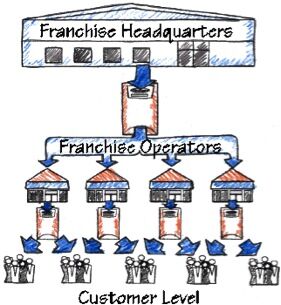
A fast-growing, quality-conscious market rewards businesses that can move quickly and stay consistent, which is where the franchise model has an edge. Building an independent brand means solving supply chain, recipe consistency, and marketing alone, often for the first time, while the market moves ahead. A franchise supplies a tested menu, an established supply chain, staff training, and brand recognition from day one. Tandooriwala, founded in 2013, has grown from a single Mysore store into a chain of well over a hundred outlets across India and abroad a curve that mirrors the organized-format expansion driving Chennai’s food sector. Partners tap this system through options like franchise under ₹50 lakhs in India, most profitable franchise in India, top 10 restaurant franchise businesses in India, and things you should know before starting a food franchise in India, rather than building every system alone. In a market moving this fast, a proven system is a genuine advantage over a solo build.
Frequently Asked Questions
Chennai's food market is supported by the steady growth of India's organized food-service sector. Cloud kitchens, QSRs, and food delivery are expanding, creating new opportunities for food businesses across the city.
Chennai has a strong dining-out culture, a large IT workforce along the OMR corridor, active high-street retail, and growing food delivery demand. These factors create consistent opportunities for different food business formats.
Yes. QSRs continue to be a growing food-service format, and Chennai's high streets and IT corridors provide strong demand for quick meals, takeaway, and delivery. Areas with office and residential density can be particularly suitable for QSR outlets.
Chennai offers opportunities in cloud kitchens, QSR outlets, South Indian and regional food brands, franchise restaurants, and casual multi-cuisine dining. The right format depends on the target audience, investment budget, and location.
A food franchise can help business owners enter Chennai's market with an established brand, tested menu, supply chain, and operational support. This can reduce the time and resources required to build a food business from scratch.