Skip to content


The best low investment street food franchise brands in india are the ones that pair a proven, crowd-loved menu momos, rolls, chaat, biryani, burgers, or chai with a small-format setup (cart, kiosk, or takeaway counter) you can open for as little as ₹1.5–10 lakh. Rather than a single “top brand,” the smartest pick is the brand whose format, budget, and demand match your city, because street-food franchising rewards high footfall and fast repeat sales over a famous logo. India’s street-food industry is growing at around 10% a year and heading toward ₹80,000 crore, so strong low-budget options are multiplying. This guide shows you how to spot a genuinely good brand, which formats and food categories work best on a lean budget, and how an open food franchise route like Tandooriwala fits a first-time street-food owner. Explore the full franchise opportunity as you read.
Why Is Street Food Franchising Booming in India?
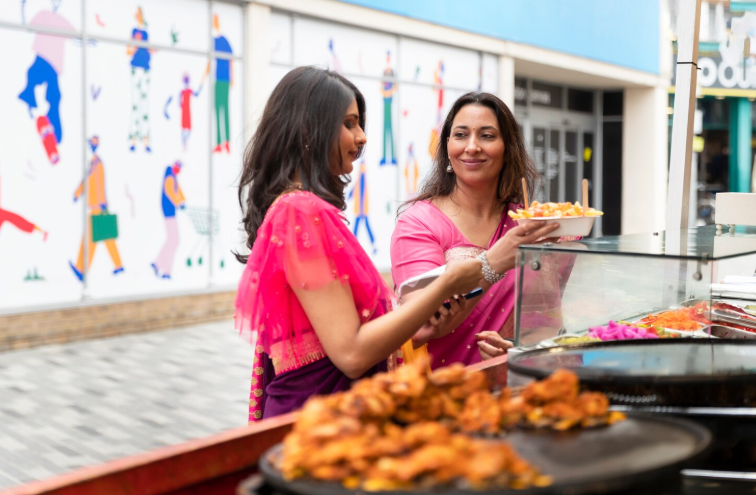
India’s street food has moved from roadside carts into organised, branded QSR chains, and the money is following. The segment is expanding at roughly 10% a year, driven by rising urban incomes, a young population, and demand for affordable grab-and-go meals. Delivery apps stretch a small outlet’s reach far beyond its lane, so a compact kiosk can serve customers kilometres away.
For a first-time owner, this shift turns familiar street snacks into a structured, lower-risk business with a tested menu and brand recall. That combination of low cost and high, everyday demand is why street food is one of the fastest-growing franchise categories.
What Makes a Street Food Franchise Brand “Best”?
There is no single best brand the best one for you is the brand that fits your budget, your city’s taste, and your effort. A famous name in a weak spot loses to a solid brand people nearby already crave. Judge each option on a few honest measures rather than hype.
Look at real local demand for the food, the total cost against your budget, the strength of ongoing support, and the profit-and-payback picture. A brand that scores well on all four beats one that only has a big name. To compare grounded numbers, see the most profitable food franchise in India and how much profit a food franchise makes.
Street Food Franchise Formats by Budget
A big reason street food suits lean budgets is its small-format flexibility. The table below maps common formats to what they usually cost and suit.
Format | Typical budget | Best for |
Cart / stall | ₹1.5–4 lakh | Lowest entry, high-footfall spots |
Kiosk (mall/food court) | ₹4–8 lakh | Steady walk-in demand |
Takeaway counter | ₹6–10 lakh | Grab-and-go + delivery mix |
Compact cloud kitchen | ₹3–10 lakh | Delivery-first, no dine-in rent |
Because these formats skip full dine-in rent and staff, they typically break even in about 12–18 months faster than a large restaurant. For lower-entry routes, see franchises under 50 lakhs in India and the wider top restaurant franchise businesses in India.
Which Street Food Categories Work Best on a Budget?
Some street-food categories are proven repeat-sellers and travel well through delivery. These are the ones most low-investment brands are built around.
Snacks and Rolls
Momos, rolls, frankies, and vada pav are cheap to make, quick to serve, and loved across age groups ideal for a cart or kiosk with fast turnover.
Biryani and Rice Bowls
Biryani carries strong repeat demand and a healthy ticket size, and it packs well for delivery, making it a reliable core for a compact outlet.
Chaat and Regional Snacks
Regional street snacks bring local loyalty and low ingredient cost, which protects margins in Tier-2 and Tier-3 towns.
Beverages and Chai
Tea, coffee, and cooler brands run on tiny footprints and high repeat visits, one reason chai kiosks scale so widely.
Green Flags of a Strong Low-Budget Brand
Before signing, look for the signs of a brand that will actually support your outlet:
- A clear, all-inclusive fee covering setup, training, and marketing not hidden extras
- Genuine demand for the menu in your specific city
- Real ongoing support: recipes, staff training, and supply help
- Fair, transparent terms on royalty or supply pricing
- Reachable existing owners you can ask about real monthly numbers
If a brand ticks these, its low price tag is a genuine advantage, not a warning sign.
Watch Out for These Red Flags
Not every cheap franchise is a good deal. Steer clear when you see:
- Vague answers about what the fee actually includes
- Inflated supply prices that quietly erode your margin
- No access to current franchisees for honest feedback
- Pressure to sign fast without time to read the agreement
Spotting these early saves you from a low-cost brand that becomes expensive later. For a fuller checklist, read things you should know before starting a food franchise.
Where Tandooriwala Fits a Street-Food Budget
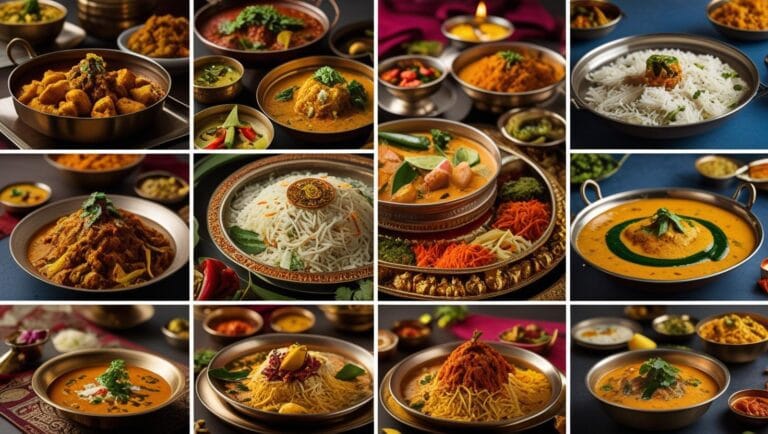
For owners drawn to street-food flavours, Tandooriwala offers those crowd-pleasers tandoori barbecue, biryani, rolls, and North Indian favourites, in both veg and non-veg under an organised brand rather than a one-off stall. That menu breadth means a single outlet can serve a wide range of tastes and sell well on delivery apps, which is exactly what a lean street-food format needs.
The brand’s edge for a first-timer is support grounded in real kitchen expertise: recipes and systems shaped by founder Dr. Chef Shajahan M Abdul’s restaurant-consulting and menu-engineering work. Franchisees get chef-led recipes, training, setup guidance, and marketing help, with flexible entry through the FOFO model (you own and run it) and the FOCO model (the company operates it). Openings reach cities like Hyderabad, Pune, Coimbatore, and Jaipur, plus a dedicated non-veg restaurant franchise route.
Find Your Street Food Franchise Match
Want a low-investment food brand with real street-food appeal? Explore a Tandooriwala franchise or call +91 74112 04455 to discuss formats and terms for your city. Send your city, budget, and space to the team for clear, written answers. The best brand is the one you can open on your budget and run well so score your options honestly, then move while street-food demand keeps climbing.
Frequently Asked Questions
There is no single best brand — the best is the one whose menu, format, and budget match your city's demand. Strong low-budget options are built around proven street foods like momos, rolls, chaat, biryani, and chai, in cart, kiosk, or counter formats costing roughly ₹1.5–10 lakh. Judge each on demand, cost, support, and payback rather than name alone.
Low-investment street-food formats typically range from about ₹1.5 lakh for a cart or stall to ₹10 lakh for a takeaway counter or compact cloud kitchen. The figure depends on the brand, city, and format. Because these skip full dine-in rent and staff, they usually break even faster — often within 12 to 18 months of steady operations.
Categories with cheap ingredients, fast service, and broad appeal tend to be most profitable — momos, rolls, vada pav, biryani, chaat, and beverages like chai. These carry strong repeat demand and pack well for delivery. Profit still depends most on location, footfall, and cost control, so match a proven category to a high-traffic spot.
They can be, and often deliver higher return on investment than expensive outlets, because low fixed costs mean faster break-even. A smaller setup carries less rent and staff burden, so more of each sale becomes profit. Success still hinges on a good location, genuine local demand, and tight daily operations rather than the brand name alone.
Tandooriwala offers street-food favourites — tandoori items, biryani, rolls, and North Indian dishes — under an organised brand with flexible FOFO and FOCO entry, chef-led recipes, training, and marketing support. Formats and costs vary by city and outlet type, so share your budget and location with the brand directly to find the setup that fits your plans.