Skip to content


To open a food stall in India, start by choosing a focused food concept, finding a high-footfall location, obtaining the required FSSAI registration and local permissions, and setting up a stall with essential equipment. Begin with a short menu that is easy to prepare, serve, and manage.
A food stall is one of the more affordable ways to enter the food business because it generally requires less space, fewer employees, and lower operating costs than a full-service restaurant. The key steps include deciding what to sell, choosing where to operate, securing the necessary licences, purchasing basic equipment, and setting prices that leave room for profit.
When managed well, a food stall can help you test a food concept, build a customer base, and eventually expand into a larger business. This guide covers the food stall business in India, including the idea, location, licences, setup, costs, and promotion. It also explains how a stall fits into the wider restaurant business in India and the FSSAI licence requirements.
How to Open a Food Stall in India: The First Steps
Opening a food stall is generally simpler than setting up a full restaurant, but the initial decisions still play a major role in its success. Before investing money, focus on the fundamentals:
Your food idea: Choose a specific dish or cuisine that you can prepare consistently and serve quickly.
Your location: Find a place where your target customers regularly gather.
Your licences: Check the FSSAI registration requirements and local permissions applicable to your stall.
Your budget: Account for setup costs, initial stock, daily expenses, and a financial buffer for the first few weeks.
Your menu: Keep the selection short so you can manage ingredients, control waste, and serve customers efficiently.
A successful stall depends on consistency, speed, and a clear food offering. A small menu of well-prepared dishes can be easier to manage and more profitable than a large menu with complicated preparation requirements.
Getting these fundamentals right before spending heavily helps you reduce avoidable costs and build a stronger foundation for your business.
Choose the Right Food and Location
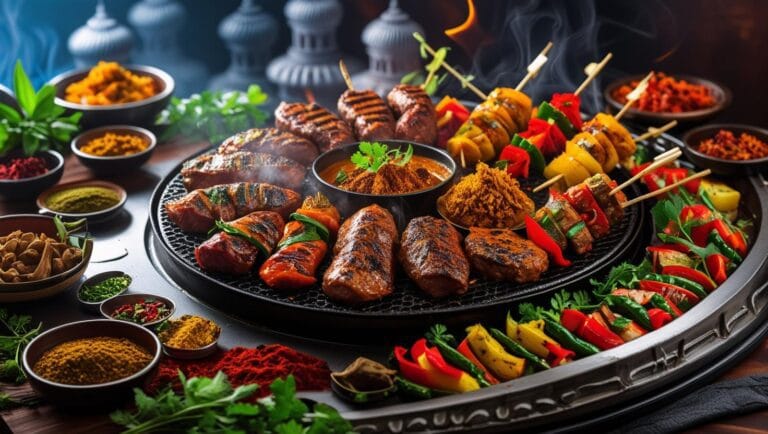
Two of the most important decisions when opening a food stall are what you sell and where you sell it. Choose food that customers already enjoy, can eat conveniently, and is practical to prepare in a small space. Popular options include rolls, chaat, momos, and tandoori snacks.
Your menu should also reflect ingredient costs, preparation time, storage requirements, and expected demand. A focused menu makes it easier to maintain quality, control stock, and serve customers during busy periods.
Location directly influences customer footfall and sales opportunities. Consider areas near offices, colleges, markets, bus stands, and event venues, provided you have the necessary permission to operate there.
Before finalising a location, observe customer traffic at different times of the day, study nearby competitors, check accessibility, and understand the rental or vending costs. A busy location is not automatically profitable if the operating costs are too high or the customers do not match your target market.
The best approach is to match a convenient, popular food offering with a location where your intended customers are likely to buy it regularly.
Food Stall Licence in India: The Legal Steps
Even a small food stall must meet the food safety and local operating requirements that apply to its business structure and location.
Food businesses generally need registration or licensing through the Food Safety and Standards Authority of India (FSSAI). Eligible small food businesses may qualify for Basic Registration, subject to the applicable eligibility criteria. The commonly cited turnover threshold for Basic Registration is up to ₹12 lakh per year, and the basic registration fee is generally ₹100 per year. Confirm the current requirements and applicable category through the official FoSCoS portal before applying.
You may also need permission from your local municipal authority or other relevant local body, especially if you plan to operate a cart or stall on public land, a roadside, or a designated vending area. Requirements can vary by city and by the type of premises you use.
Depending on your setup, additional permissions or compliance requirements may apply. Do not assume that FSSAI registration alone gives you the right to occupy a particular location.
Keeping the necessary registrations and permissions in place helps you operate responsibly and reduces the risk of penalties or disruption. For more information, read our FSSAI licence guide.
How to Set Up Your Food Stall
A practical food stall setup should include only the equipment and facilities required to prepare, store, and serve your chosen menu safely. Buying unnecessary equipment at the beginning can put pressure on your budget.
Basic Equipment
Depending on the food you plan to sell, your setup may require:
A sturdy cart or stall structure suitable for the location.
A cooking appliance, such as a gas burner, tandoor, or griddle.
Food preparation surfaces and utensils.
Food-grade containers for ingredients and storage.
Serving supplies and suitable packaging materials.
Access to clean water and appropriate handwashing facilities.
Safe storage arrangements for ingredients and waste.
Suitable fire safety equipment for your cooking setup.
Choose equipment based on your menu, available space, and expected daily orders. Well-maintained second-hand equipment can help reduce initial expenses, provided it is safe and fit for use.
Hygiene and Presentation
Cleanliness is essential for customer trust and food safety, even when you operate a small stall. Keep preparation surfaces clean, protect ingredients from contamination, store perishable food appropriately, and use suitable food-grade packaging.
Make sure your setup supports safe food handling, including access to clean water, proper waste disposal, and hygienic handling of cooked and uncooked ingredients. Follow the applicable food safety rules for restaurants in India.
A clean, organised stall also helps you work more efficiently during busy periods and encourages customers to return.
What Does a Food Stall Cost to Start?
A food stall can be a relatively low-investment way to enter the food business because it usually does not require a dedicated dining area or a large team. However, the actual investment depends on the city, menu, equipment, location, and permissions required.
| Cost Head | What to Consider |
|---|---|
| Cart or stall setup | Structure, counter, storage, and installation |
| Cooking equipment | Burner, tandoor, griddle, utensils, and other menu-specific equipment |
| FSSAI registration and local permissions | Applicable registration fees and local charges |
| Initial stock | Ingredients, spices, and other supplies |
| Packaging and serving supplies | Containers, cups, plates, and takeaway packaging |
| Location costs | Rent, deposit, vending fees, or other applicable charges |
| Working capital | Restocking, utilities, transport, and other daily expenses |
The table outlines the main cost categories rather than fixed prices because actual expenses vary considerably by location and business format.
Before opening, prepare a budget that covers both the initial setup and the first few weeks of operations. Include a contingency amount for unexpected expenses, and avoid investing your entire budget in the cart and equipment.
Compared with a larger restaurant, a stall can reduce the need for expensive premises and extensive staffing. For comparison, see our guide to the cost of opening a restaurant in India.
Starting with essential equipment, a manageable menu, and controlled operating costs gives you more flexibility to reinvest in the business as sales grow.
Common Mistakes to Avoid
Many food stall problems can be prevented with better planning. According to restaurant consultant and franchise-development specialist Dr. Chef Shajahan M Abdul, the chef behind Tandooriwala, a stall needs a suitable location, a focused menu, and consistent food quality to build a sustainable customer base.
Common mistakes include:
Choosing a poor location: Saving on rent may not help if very few potential customers pass by.
Offering too many dishes: A large menu can increase ingredient waste, slow preparation, and make quality harder to maintain.
Ignoring registration and permissions: Failing to meet applicable legal requirements can lead to penalties or interruptions.
Pricing without calculating costs: Low prices do not guarantee profit if ingredient, packaging, fuel, and other expenses are not covered.
Neglecting hygiene: Poor food handling and an unclean stall can undermine customer trust and create food safety risks.
Failing to track sales and stock: Without basic records, it becomes difficult to identify popular dishes, control waste, and manage cash flow.
You can avoid many of these problems by researching your market, calculating costs before setting prices, maintaining daily records, and reviewing customer demand regularly.
Growing From a Stall to a Bigger Business
A food stall can be the starting point for a larger food business. Once you have established consistent demand and built a loyal customer base, you can explore several ways to expand.
You could open additional stalls in suitable locations, move into a cloud kitchen to serve delivery customers, or establish a quick-service restaurant.
Before expanding, assess whether your existing business has repeat customers, reliable suppliers, consistent food quality, and sufficient cash flow. Growth is more sustainable when the original operation works well without depending entirely on the owner’s constant presence.
Another option is to explore a franchise that offers an established brand, a defined operating model, training, and other forms of support. These benefits depend on the specific franchise agreement and should be evaluated carefully.
Tandooriwala is a chef-led Indian barbecue brand founded in Mysore in 2013 and operated as a unit of Restro Consultants Private Limited. The brand has expanded across India and overseas and received the Certificate of Excellence and Food & Hospitality Awards in 2018 and 2022.
If you are considering growing beyond a food stall, explore the Tandooriwala franchise opportunity, review the restaurant franchise cost, understand the benefits of buying a restaurant franchise, or learn more about the brand.
A food stall can help you test your concept with a smaller setup. With careful planning and a clear growth strategy, it can become the foundation for a larger food business.
Frequently Asked Questions
Choose a focused food concept, identify a suitable location, obtain the applicable FSSAI registration and local permissions, purchase essential equipment, and start with a short menu. Prepare a budget that covers setup costs, ingredients, packaging, and initial operating expenses.
Food stalls generally need the appropriate FSSAI registration or licence. Eligible small businesses may qualify for Basic Registration, commonly associated with annual turnover up to ₹12 lakh and a fee of ₹100 per year. You may also need municipal or vending permission depending on your location and setup. Check the latest requirements through the official FSSAI and local authority websites.
The cost depends on your city, food concept, equipment, and location. Main expenses include the cart or stall structure, cooking equipment, ingredients, packaging, applicable registration fees, location charges, and working capital. Prepare a budget based on local prices rather than relying on a single estimated amount.
Popular options include rolls, chaat, momos, and tandoori snacks. The best choice depends on local demand, preparation time, ingredient costs, storage needs, and your ability to maintain consistent quality. A focused menu can help control costs and serve customers faster.
Yes. Once your stall has consistent demand and reliable operations, you can expand to additional stalls, open a cloud kitchen, establish a quick-service outlet, or explore a franchise opportunity. Review your cash flow, customer demand, and operating processes before investing in expansion.