Skip to content


The FOCO model in franchise means Franchise-Owned, Company-Operated. In this model, the franchise investor pays to set up and own the outlet, but the franchisor runs the day-to-day operations, including staff, kitchen, supplies, and management. The investor provides the capital and earns a share of the profit or a fixed return, while the brand handles the actual running of the store.
This model suits investors who want to own a business without managing it themselves. It differs from the FOFO model (Franchise-Owned, Franchise-Operated), where the investor both owns and runs the outlet. This guide explains the FOCO model meaning in franchise, how it works step by step, who it suits, and how it compares to FOFO, using examples from India’s restaurant franchise sector and how a food franchise business operates.
What Does FOCO Mean in Franchising?
FOCO stands for Franchise-Owned, Company-Operated. Breaking the term down makes it clear: “Franchise-Owned” means the investor owns the outlet and its assets, while “Company-Operated” means the franchisor’s own team runs it. The investor is the owner, while the brand manages the daily operations.
This split makes FOCO different from a traditional franchise. The investor provides the capital and location, while the brand handles hiring, cooking, marketing, and daily management. In short, FOCO lets you own a franchise without having to run it yourself.
How the FOCO Model Works, Step by Step
Understanding how the FOCO model works is easiest when broken down into a simple process from investment to income:
The investor funds the outlet: Pays for setup, fit-out, and equipment.
The brand sets up the store: Follows its standard format and layout.
The brand operates the outlet: Manages staff, daily operations, kitchen activities, and supplies.
The outlet earns revenue: Generates income through sales, deliveries, and dine-in customers.
The investor receives returns: Earns a profit share or an agreed fixed payout.
Because the brand runs the outlet, the investor’s involvement is mostly financial rather than operational. The exact arrangement, whether a profit share or fixed return, is defined in the franchise agreement, so terms vary by brand. This hands-off structure appeals to people who want to invest without managing daily operations.
Who Is the FOCO Model Best For?
The FOCO model is not for everyone, and understanding who it suits can help investors avoid a costly mismatch. According to restaurant consultant and franchise-development specialist Dr. Chef Shajahan M Abdul, the chef behind Tandooriwala, FOCO works best for investors who have capital but lack the time or experience to run a food outlet every day.
It suits several types of investors:
Busy professionals: People who want to invest in a business while keeping their primary job.
First-time investors: People without restaurant experience who prefer experienced operators.
NRIs and out-of-city owners: Investors who cannot be physically present to manage the outlet.
Multi-unit investors: People who own several outlets and cannot personally manage each one.
FOCO may be less suitable for hands-on owners who want to manage the kitchen and team themselves. It is a better fit for investors who want ownership and potential returns without the daily operational workload.
FOCO vs FOFO Model Franchise India: The Key Difference
The clearest way to understand FOCO is to compare it with FOFO (Franchise-Owned, Franchise-Operated). Both models are used in India’s franchise market, but the main difference is who manages the outlet.
| Feature | FOCO | FOFO |
|---|---|---|
| Ownership | Investor | Investor |
| Daily operations | Managed by the brand | Managed by the investor |
| Investor involvement | Mostly financial | Hands-on, often full-time |
| Best for | Investors seeking a hands-off role | Owner-operators |
| Operational control | Brand manages daily operations and quality standards | Investor manages daily operations and quality standards |
For a more detailed comparison, read our guide to the FOCO vs FOFO franchise model. Both models are among the main franchise model types used in India. The choice depends on whether you want to invest and step back or invest and manage the business yourself.
What Are the Pros and Cons of FOCO?
Like any franchise model, FOCO has advantages and trade-offs that investors should consider before signing an agreement.
The Advantages
FOCO can provide a more hands-off investment experience, professional management, and lower day-to-day involvement for the owner. The brand’s experience can also help reduce common operational mistakes, making the model attractive to first-time investors.
The Trade-Offs
Investors have less direct control over daily operations, and returns depend on the agreed arrangement with the brand. The franchise agreement must clearly explain the profit-sharing structure, responsibilities, expenses, and payment terms. Weighing the convenience of hands-off ownership against reduced operational control is central to deciding whether FOCO is right for you.
Why the FOCO Model Appeals to Indian Investors
FOCO appeals to investors in India because it allows people to participate in franchising without taking on the daily responsibilities of running a business. India’s food services market, valued at around $80 billion in 2024 and growing by an estimated 10% to 11% annually, has attracted investors looking to participate in the sector without changing careers.
For established brands, FOCO can also support expansion because investors fund new outlets while the company operates them according to its standards. This creates a shared incentive: investors seek returns, while the brand aims to maintain quality and expand its reach. The model can benefit both parties when responsibilities, operating costs, and returns are clearly defined.
Explore the FOCO Opportunity With Tandooriwala
If a hands-off franchise appeals to you, the next step is choosing a brand with an established format and strong operational capabilities. A FOCO investment depends heavily on the company operating the outlet, so its experience and track record matter.
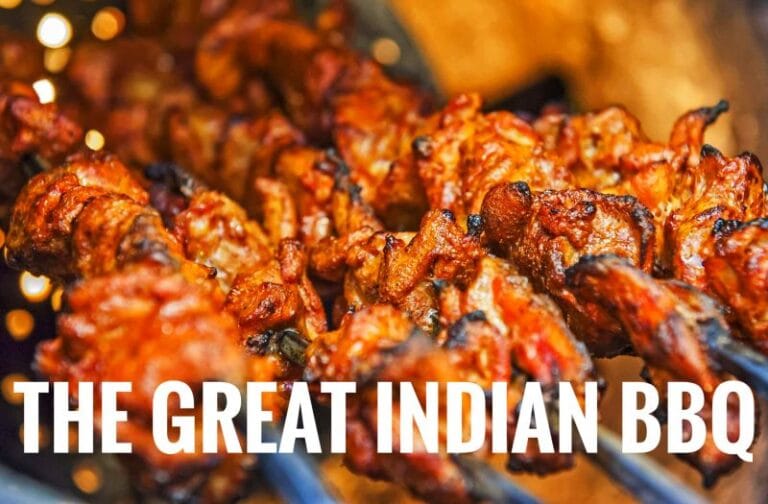
Tandooriwala is a chef-led Indian barbecue brand founded in Mysore in 2013 and operated as a unit of Restro Consultants Private Limited. The brand offers FOCO and FOFO routes, with kitchen planning, supply, and training support. It has also received the Certificate of Excellence and Food & Hospitality Awards in 2018 and 2022.
To explore your options, review the franchise opportunity, understand the restaurant franchise cost, compare the benefits of buying a restaurant franchise, or learn more about the brand.
Before investing, review the franchise agreement carefully and understand the expected returns, operating costs, and responsibilities. Choosing a capable operator is an important part of making an informed FOCO investment.
Frequently Asked Questions
FOCO stands for Franchise-Owned, Company-Operated. The investor funds and owns the outlet, while the franchisor manages daily operations, including staff, kitchen activities, and management. The investor receives a profit share or fixed return according to the franchise agreement.
In FOCO, the investor owns the outlet while the brand operates it. In FOFO, the investor both owns and manages the outlet. FOCO suits investors who prefer a hands-off role, while FOFO suits those who want to manage daily operations themselves.
The investor earns according to the arrangement defined in the franchise agreement. This may involve a share of the outlet's profits or an agreed fixed return. The investor primarily provides the capital, while the brand handles operations.
FOCO can suit first-time investors because an experienced brand team manages the outlet's daily operations. It may be a good option for people who want to own a food business but lack the time or experience to run it themselves. However, investors should still assess the brand, costs, agreement terms, and potential returns.
The main risks include limited control over daily operations, dependence on the brand's management, and uncertainty about actual returns. Investors should carefully review the franchise agreement, particularly the profit-sharing structure, operating expenses, responsibilities, and payment terms, before committing.